Introduction:
Aftersentdocuments is an important part of modern document management that focuses on handling files after they have been shared with clients, customers, employees, or business partners. Keeping documents organized, tracking their status, and storing them securely helps improve efficiency, reduce errors, and ensure important information remains easy to access.
Aftersentdocuments Smart Document Guide
Managing documents properly is essential for both businesses and individuals. Aftersentdocuments refers to organizing, storing, and tracking documents after they have been sent to clients, employees, or other recipients. A well-organized system saves time, reduces mistakes, and keeps important files easy to find.
Many people focus on sending documents but forget about managing them afterward. Without a proper system, files can be misplaced, follow-ups may be missed, and information becomes harder to access. Keeping aftersentdocuments organized helps maintain smooth workflows and secure record-keeping.
Why Aftersentdocuments Matters
Every document continues to have value even after it has been delivered. Contracts, invoices, proposals, reports, and agreements often require follow-up actions, approvals, or future reference.
A proper aftersentdocuments process helps organizations:
- Maintain accurate records.
- Improve collaboration among teams.
- Reduce the risk of misplaced files.
- Support legal and compliance requirements.
- Save time when searching for documents.
- Increase customer confidence through organized communication.
Businesses that invest in effective document management often experience smoother workflows and fewer administrative challenges.
Key Components of Aftersentdocuments
An effective aftersentdocuments system consists of several important elements that work together.
Organized File Storage
Documents should be stored in clearly labeled folders with logical naming conventions. Whether using cloud storage or internal servers, organization makes retrieval much easier.
Version Control
Documents frequently go through revisions. Maintaining version history prevents employees from working with outdated information while ensuring the latest copy is always available.
Secure Access
Not every employee requires access to every file. Limiting permissions protects sensitive information and reduces the chances of unauthorized viewing or editing.
Tracking and Monitoring
Tracking allows businesses to monitor document status after sending. They can verify whether documents were received, reviewed, approved, or require additional follow-up.
Implementing these practices strengthens any aftersentdocuments workflow.
Benefits of an Efficient Aftersentdocuments Process
Organizations of every size benefit from a structured document management strategy.
Improved Productivity
Employees spend less time searching for files and more time completing meaningful work.
Better Collaboration
When documents are organized and easily accessible, team members can collaborate more effectively regardless of their location.
Enhanced Security
Sensitive documents remain protected through encryption, permission settings, and secure storage methods.
Regulatory Compliance
Many industries require organizations to retain records for specific periods. A reliable aftersentdocuments system simplifies compliance with these regulations.
Reduced Operational Costs
Digital storage reduces paper usage, minimizes printing expenses, and decreases physical storage requirements.
Best Practices for Aftersentdocuments
Developing a consistent approach can significantly improve document management.
Create Standard Naming Rules
Use descriptive file names that include dates, project names, or client references. Consistency makes searching much easier.
Schedule Regular Reviews
Review stored documents periodically to archive outdated files while keeping active records readily available.
Automate Repetitive Tasks
Automation can send reminders, organize folders, update statuses, and notify team members when action is required.
Maintain Backups
Always keep secure backups to protect against accidental deletion, hardware failure, or cyber threats.
Following these recommendations strengthens the overall aftersentdocuments process while reducing manual effort.
Common Challenges in Aftersentdocuments
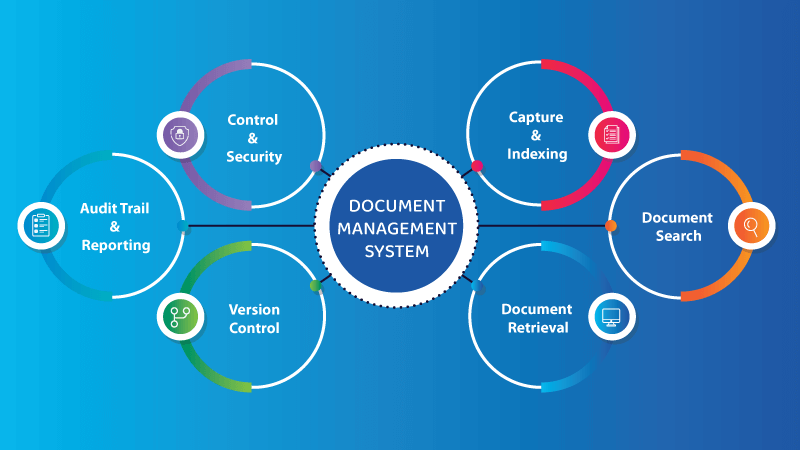
Even well-organized businesses encounter document management difficulties.
Missing Documents
Without a structured filing system, locating previously sent documents becomes frustrating and time-consuming.
Duplicate Files
Multiple versions stored in different locations can create confusion and increase the risk of errors.
Limited Visibility
Managers may struggle to determine whether recipients have reviewed or responded to important documents.
Security Risks
Improper storage or weak access controls can expose confidential information to unauthorized users.
Addressing these issues early helps organizations build a more reliable aftersentdocuments workflow.
How Technology Supports Aftersentdocuments
Modern document management solutions have transformed the way organizations manage information.
Cloud-based platforms allow secure access from multiple devices, enabling employees to retrieve files whenever needed. Digital search functions make finding documents nearly instant, while automated notifications keep projects moving forward.
Electronic signatures further simplify approvals by eliminating unnecessary paperwork. Combined with secure storage and permission controls, these technologies make aftersentdocuments more efficient than traditional paper-based systems.
Artificial intelligence is also beginning to assist businesses by automatically categorizing files, identifying duplicate documents, and improving search accuracy. These innovations continue to simplify document management across industries.
Industries That Benefit from Aftersentdocuments
Many sectors rely heavily on organized document management.
Healthcare
Medical providers manage patient records, insurance forms, referrals, and treatment documentation.
Legal Services
Law firms maintain contracts, agreements, court filings, and confidential client information.
Finance
Banks and financial institutions store loan applications, statements, tax records, and compliance documents.
Education
Schools organize student records, enrollment forms, certificates, and administrative documents.
Corporate Businesses
Companies manage employee records, vendor agreements, invoices, proposals, and internal reports through structured aftersentdocuments practices.
Tips for Building an Effective Aftersentdocuments Strategy
Organizations can improve long-term efficiency by following several practical steps:
- Develop clear document management policies.
- Train employees on proper filing procedures.
- Use secure cloud storage solutions.
- Define access permissions based on employee roles.
- Archive inactive documents regularly.
- Monitor document activity for better accountability.
- Review workflows and update processes as business needs evolve.
These practices create consistency while reducing the likelihood of errors.
Future Trends in Aftersentdocuments
Document management continues to evolve as businesses embrace digital transformation.
Automation will handle increasingly complex workflows with minimal manual intervention. Artificial intelligence will improve document classification and search capabilities, while stronger cybersecurity measures will provide better protection for sensitive information.
Integration with collaboration platforms will also allow teams to manage documents without switching between multiple applications. As remote work continues to expand, cloud-based aftersentdocuments solutions will become even more valuable for maintaining productivity and secure communication.
Organizations that adopt these advancements will be better prepared for future business demands while improving overall operational efficiency.
Conclusion
Aftersentdocuments is an important part of effective document management. Organizing, tracking, and securely storing documents after they are sent helps improve productivity, strengthen security, and keep important records easy to access. By following simple best practices, businesses and individuals can maintain efficient workflows and better manage their documents. A reliable document management system also saves time and supports better decision-making in daily operations.