Introduction
OrganicArchitect is an architectural approach that focuses on connecting buildings with nature. This approach considers design, the environment, and human needs together. Traditional architecture often prioritizes cost or appearance alone, whereas design takes into account long-term impact, surroundings, and daily life. People often ask who owns OrganicArchitect, but it is not the property of a single person or company. is a design philosophy and professional approach adopted by various architects, designers, and firms. Some use it for their own brand or practice, but overall, it is part of the broader concept of sustainable architecture. By using natural materials, simple forms, and environmentally conscious techniques, this approach aims to create a better connection between buildings and people.
Who Is an OrganicArchitect and Why It Matters Today
An OrganicArchitect is an architect or designer who works according to the principles of organic architecture. The core idea is that buildings should naturally fit with their surroundings rather than dominate them. This concept was first popularized by Frank Lloyd Wright, but today its relevance has grown even more.In the modern era, urban sprawl, rising energy use, and environmental challenges have become serious concerns. OrganicArchitect addresses these issues through design—for example, by improving ventilation, maximizing natural light, and using energy-efficient planning. These designs not only benefit the environment but also improve the health and comfort of the people using the spaces. Therefore, the role of an today is not only to design buildings but also to provide responsible, practical solutions.
OrganicArchitect: A Modern Approach to Sustainable Design
OrganicArchitect design is a modern form of sustainable architecture that combines traditional design principles with current technology. In this approach, climate, location, and the daily needs of users are carefully considered in design decisions.
This design approach typically focuses on:
- Passive solar design
- Natural ventilation
- Energy efficiency
- Integration with the landscape
Planning plays a critical role in OrganicArchitect projects. Correct orientation, material selection, and design choices help reduce energy use and increase the lifespan of a building. This approach is not limited to residential buildings; it is also applied to offices, public spaces, and urban planning projects.
OrganicArchitect Design Philosophy Explained
The OrganicArchitect design philosophy is based on harmony—harmony between structure and site, form and function, and humans and nature. In this approach, design is not imposed on the environment; instead, the surroundings guide the architectural form.
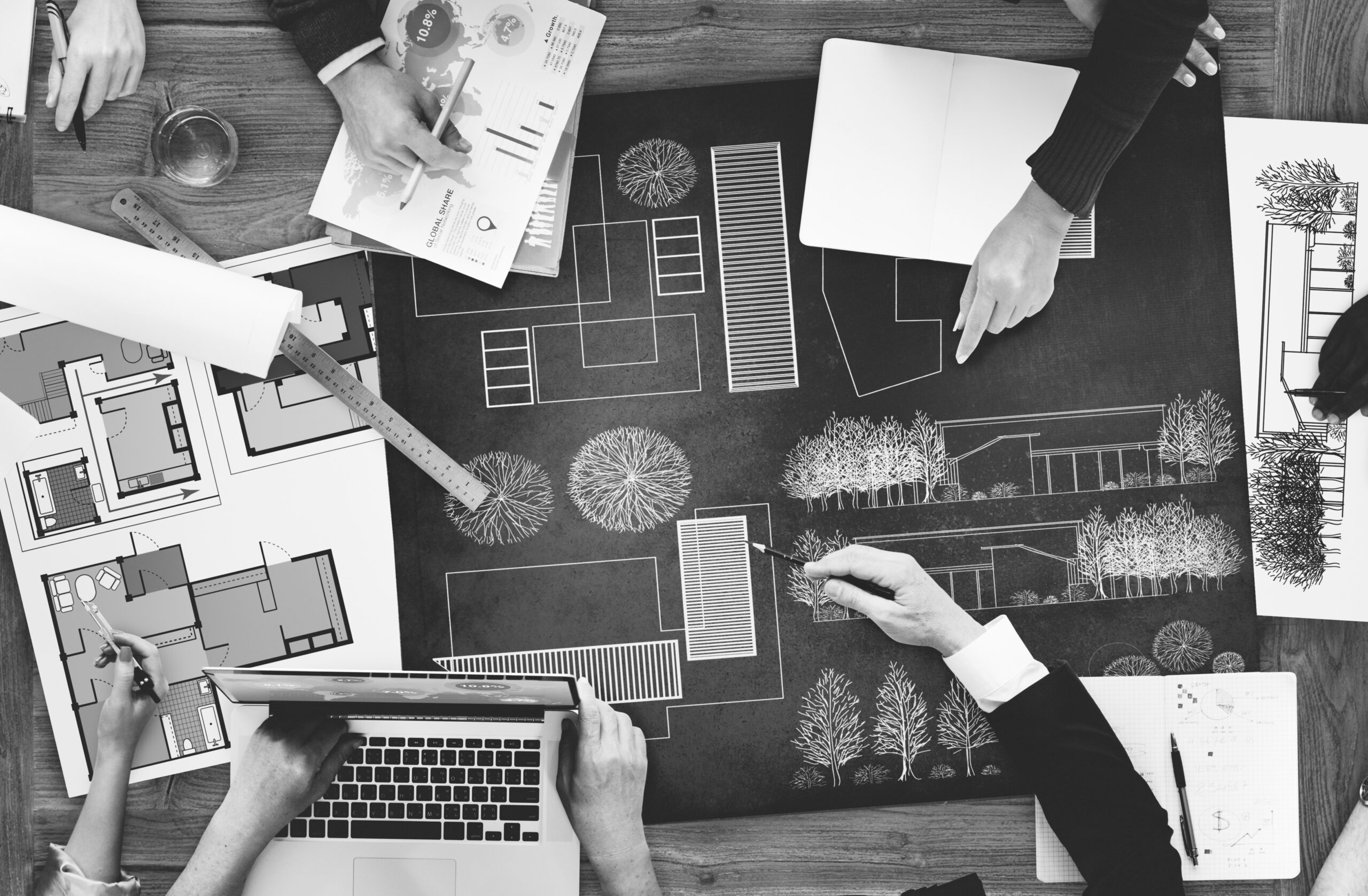
Key ideas of this philosophy include:
- Buildings should grow naturally from their environment
- Designs should respect local culture and climate
- Spaces should enhance human experience
- Materials should be honest and natural
OrganicArchitect design avoids unnecessary decoration. Instead, it emphasizes simplicity, balance, and natural forms that remain relevant over time.
OrganicArchitect Principles for Eco-Friendly Buildings
An OrganicArchitect follows core principles that guide the design and construction process:
Harmony with Nature
Buildings should complement their environment rather than disrupt it. This includes site orientation, landscape integration, and minimizing land disturbance.
Sustainability
Design focuses on renewable resources, energy-efficient methods, and waste reduction to support long-term environmental health.
Human-Centered Design
Spaces are planned to improve comfort, mental well-being, and productivity through natural light, airflow, and spatial balance.
Material Integrity
Materials are chosen based on durability, sustainability, and natural appearance rather than artificial finishes.
Simplicity and Function
Every design element has a clear purpose, which avoids unnecessary complexity and reduces resource waste.
Materials and Techniques Used by an OrganicArchitect
An OrganicArchitect carefully selects materials and construction techniques that minimize environmental impact.
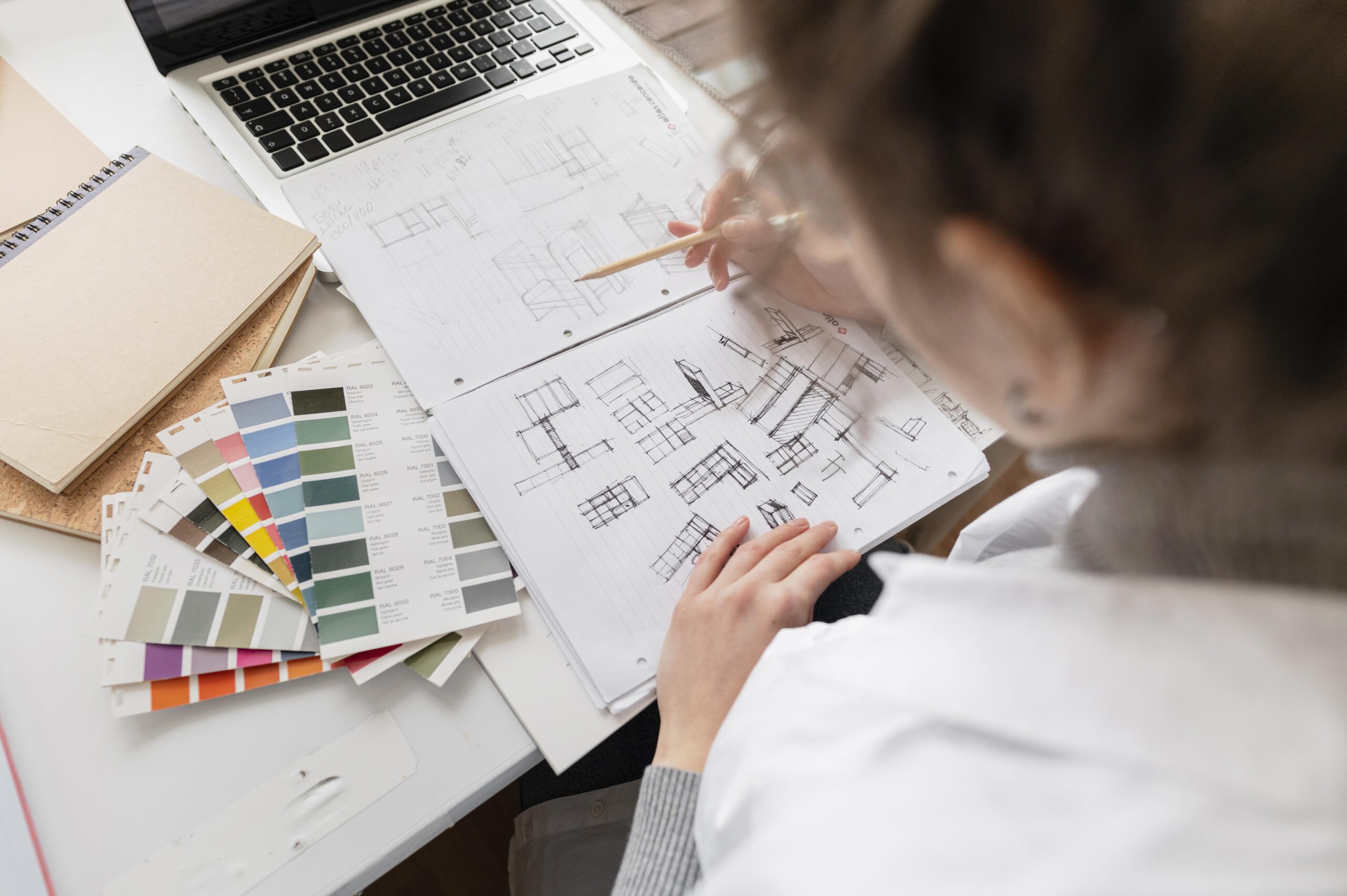
Common Materials
- Natural stone
- Wood and bamboo
- Clay and brick
- Recycled steel and concrete
- Rammed earth
These materials naturally age over time, gaining strength and character.
Techniques Used
- Passive solar heating and cooling
- Green roofs and living walls
- Rainwater harvesting systems
- Cross-ventilation planning
- Use of locally sourced materials
By applying these techniques, OrganicArchitect reduce energy consumption and create buildings that naturally adapt to their environment.
Conclusion
The OrganicArchitect approach gives architecture a responsible and balanced direction. It is not owned by a single company or individual but represents a shared understanding among architects and designers who work with the environment. Using natural materials, simple planning, and context-based design, this approach supports long-term sustainability. As environmental challenges continue to grow, design offers a practical and thoughtful path—where buildings are not just structures but a part of their surroundings. If you want, I can also make a slightly shorter, SEO-optimized version for 1000–1200 words that naturally includes the keyword “OrganicArchitect” multiple times for better search visibility without sounding promotional.