Introduction
Airport theory has become a popular travel trend on social media, particularly TikTok, where travelers are testing how late they can arrive at an airport and still catch their flights. Instead of following traditional advice about arriving hours before departure, this trend encourages passengers to reach the airport just 15 to 20 minutes before boarding.
While the idea might sound exciting to people who dislike spending hours waiting in airport terminals, it also comes with significant risks. Some travelers have successfully reached their departure gates in record time, while others have missed their flights entirely.
But what exactly is airport theory, why has it become so popular, and should travelers actually try it? Let’s explore everything you need to know about this growing travel trend.
What Is Airport Theory?
Airport theory is a viral social media trend that challenges traditional airport arrival recommendations. It suggests that travelers can arrive at the airport shortly before their flight and still make it through check-in, security screening, and boarding without missing their departure.
The concept became widely discussed through TikTok videos in early 2025. Several content creators began recording their journeys from airport entrances to departure gates, showing how quickly they could complete the process.
The main idea is simple: avoid wasting time at the airport by arriving at the last possible moment.
For example, instead of arriving two hours before a domestic flight, someone following airport theory might attempt to reach the airport only 15 minutes before boarding begins.
However, this approach depends on several favorable conditions, including short security queues, online check-in, minimal luggage, and a conveniently located departure gate.
Although some travelers have managed to complete this challenge successfully, it is important to understand that these experiences do not represent what every passenger should expect.
How Did the Airport Theory Trend Become Popular?
Social media platforms have played a major role in making airport theory a widely discussed travel topic.
TikTok creators started sharing videos of themselves arriving at busy airports with very little time remaining before boarding. These videos attracted attention because they challenged a familiar travel habit: arriving early to avoid missing a flight.
One creator who helped popularize the trend was Michael DiCostanzo, who documented a successful attempt at Hartsfield-Jackson Atlanta International Airport. His journey demonstrated how quickly a prepared traveler could move through the airport using expedited security screening.
Other creators attempted similar challenges, but their experiences were not always successful.
Some passengers discovered that security queues, airport transportation, and boarding deadlines could make the challenge much more difficult than expected.
The combination of successful attempts, failed experiences, and entertaining videos helped airport theory gain millions of views and become a major online travel discussion.
How Does Airport Theory Work?
The concept behind airport theory involves reducing the time spent completing airport procedures. Travelers who attempt it usually prepare everything before leaving home.
Here are the main steps involved:
1. Complete Online Check-In
Passengers check in through their airline’s website or mobile application before reaching the airport. This can save time because they may not need to visit a check-in counter.
2. Travel With Carry-On Luggage
Travelers avoid checked baggage whenever possible. Without needing to visit the baggage-drop counter, they can proceed directly toward security screening.
3. Prepare Travel Documents
Having a passport, identification, and boarding pass readily available can make airport procedures more convenient.
4. Move Quickly Through Security
Passengers attempt to complete security screening as quickly as possible. However, waiting times depend on passenger numbers, airport procedures, and additional security checks.
5. Find the Departure Gate
After passing security, travelers must locate their departure gate and reach it before boarding closes.
Although these steps can improve efficiency, they cannot eliminate unexpected delays. Airport theory therefore remains a risky strategy rather than a reliable travel recommendation.
Why Are Travelers Interested in Airport Theory?
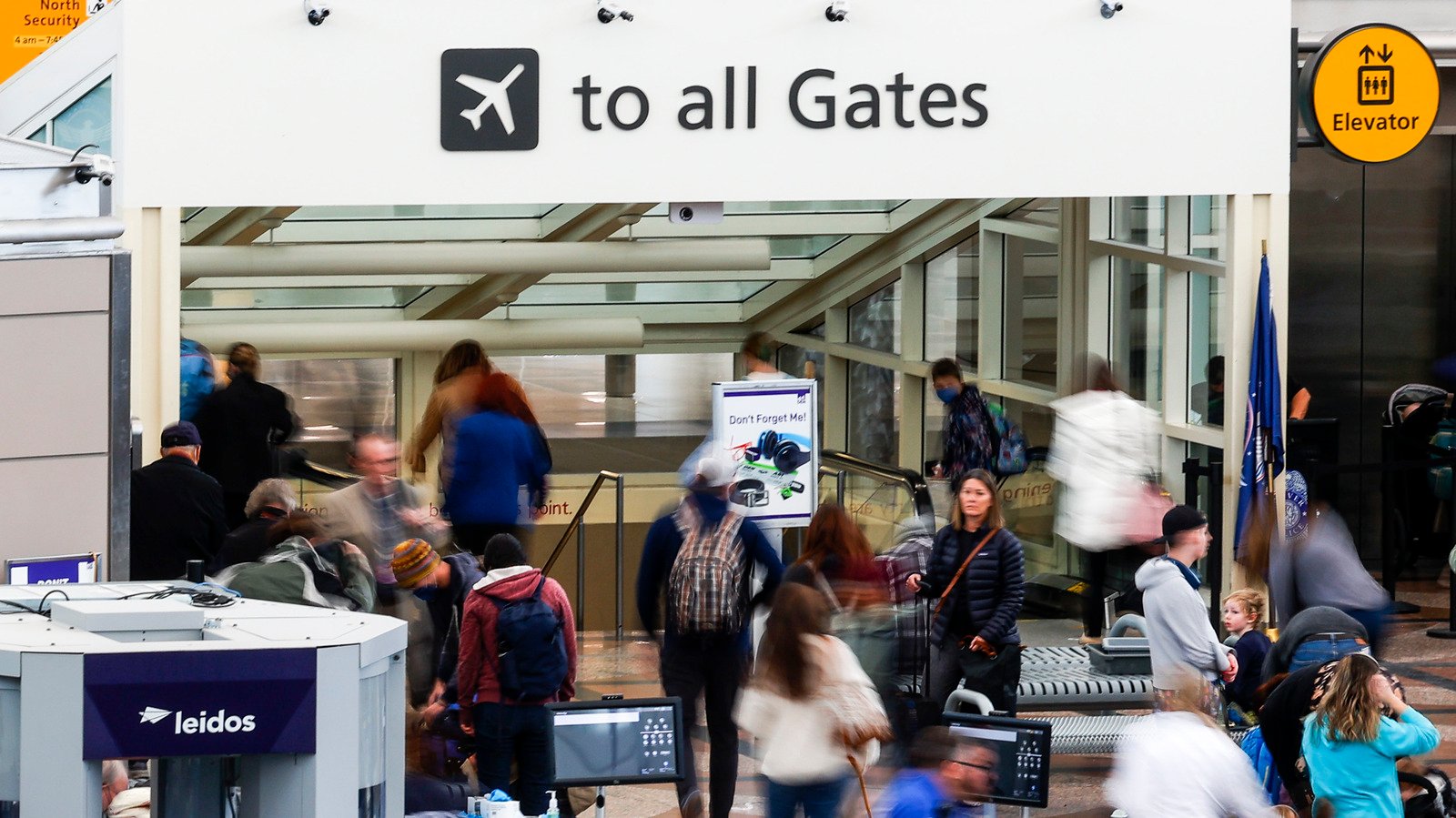
There are several reasons why this trend has attracted attention from frequent flyers and occasional travelers.
1. Less Time Waiting at the Airport
Many passengers dislike spending several hours inside airport terminals. Long waiting periods can feel exhausting, especially when flights are delayed.
Airport theory appeals to people who want to minimize unnecessary waiting and spend more time at home, work, or their travel destination.
2. A More Exciting Travel Experience
For some social media creators, airport theory is an entertaining challenge. Recording a journey against the clock creates suspense and encourages viewers to watch until the end.
3. Greater Interest in Travel Efficiency
Modern travelers increasingly use mobile check-in, digital boarding passes, and airline applications to simplify their journeys.
Airport theory reflects the desire to make travel faster and more convenient, although arriving at the last minute is not necessary to benefit from these technologies.
4. Social Media Popularity
Viral videos often encourage people to try unusual challenges. When viewers see someone successfully reaching a gate in just a few minutes, they may become interested in testing the same approach.
However, successful videos do not always show the full range of circumstances that influence airport travel.
What Are the Risks of Following Airport Theory?
Despite its popularity, airport theory can create serious problems for passengers.
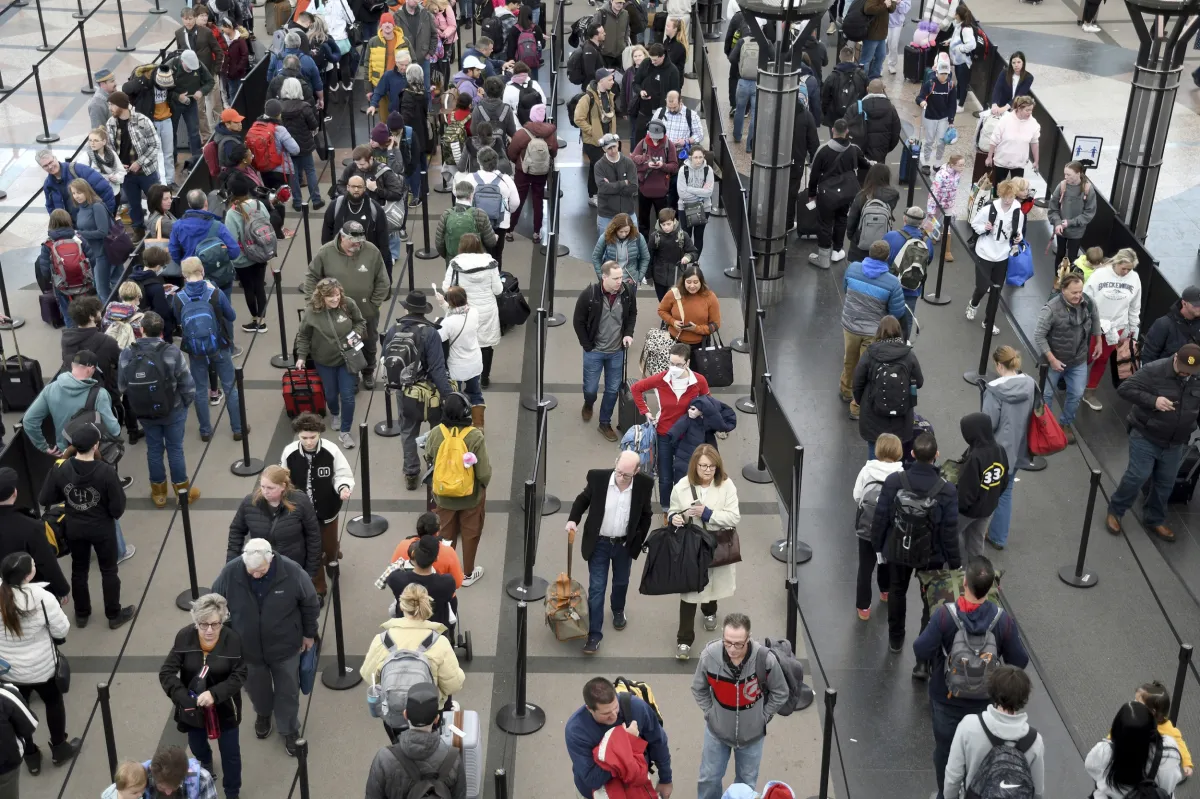
Missing Your Flight: The biggest risk is arriving after the boarding gate has closed. Airlines generally follow strict boarding deadlines, and passengers may not be allowed to board even when the aircraft has not departed.
Unexpected Security Delays: Security screening can take longer than expected because of crowded queues, additional inspections, or equipment problems.
Long Airport Distances: Large international airports can have multiple terminals, long corridors, shuttle buses, and transportation systems. Reaching a departure gate may take considerably longer than expected.
Baggage Complications: Travelers with checked luggage usually need additional time for check-in and baggage drop-off. This makes the 15-minute challenge even less practical.
Financial Losses: Missing a flight can result in additional expenses, including replacement tickets, accommodation, transportation, and other travel arrangements.
Unnecessary Stress: Rushing through an airport can create anxiety and make the entire travel experience unpleasant.
These risks demonstrate why airport theory should not replace sensible travel planning.
Is Airport Theory Actually Worth Trying?
For most travelers, airport theory is not worth the risk.
Although a few passengers may successfully reach their gates shortly before boarding closes, their results often depend on favorable circumstances.
For example, someone traveling with only a small backpack, holding a digital boarding pass, and using expedited security screening may move through an airport much faster than someone traveling with family and multiple suitcases.
Airport size also matters. A smaller airport with fewer passengers and a straightforward layout may offer a quicker experience than a large international transportation hub.
Nevertheless, even experienced travelers cannot predict every delay.
A more sensible approach is to use airport technology and preparation to reduce unnecessary waiting while maintaining enough time to complete all required procedures.
Practical Tips for Saving Time at the Airport
You do not need to follow airport theory to make your journey more efficient. These practical tips can help you enjoy a smoother airport experience.
- Check in Online: Complete your airline check-in before arriving at the airport whenever available.
- Travel Light: Use carry-on luggage if your airline’s baggage allowance permits it.
- Check Flight Updates: Monitor departure times, gate changes, and boarding announcements through your airline’s application.
- Prepare Your Documents: Keep your passport, identification, and boarding pass easily accessible.
- Understand Airport Security Rules: Check baggage restrictions and prepare your belongings before reaching the security checkpoint.
- Arrive at the Recommended Time: Follow your airline’s arrival guidance and allow additional time for busy airports.
- Check Your Terminal: Confirm your departure terminal and gate information before traveling.
These simple habits can help you avoid unnecessary delays without taking the gamble of arriving at the last minute.
How Early Should You Arrive at the Airport?
The appropriate arrival time depends on your airline, destination, airport, baggage requirements, and travel circumstances.
As a general guideline, many airlines recommend arriving approximately two hours before domestic flights and three hours before international flights. However, passengers should always check their airline’s specific instructions.
International journeys may require additional time for passport checks, document verification, baggage procedures, and other formalities.
Travelers with children, elderly passengers, special assistance requirements, or connecting arrangements should also consider allowing extra time.
Rather than relying on a viral challenge, planning ahead gives you more control over your journey.
Conclusion
Airport theory is an interesting example of how social media can influence everyday travel habits. Its promise of reaching a departure gate just minutes before boarding has attracted millions of viewers and encouraged travelers to rethink how much time they spend at airports.
However, the trend also highlights the difference between an entertaining online challenge and practical travel advice.
Although efficient preparation can reduce airport waiting times, unexpected security checks, long queues, terminal distances, and boarding deadlines can quickly disrupt a last-minute plan.
The smartest approach is to balance convenience with preparation. Complete online check-in, organize your documents, travel light when possible, and arrive according to your airline’s recommendations.
Ultimately, saving a little time at the airport is not worth the cost and stress of missing your flight. Airport theory might make an entertaining social media video, but a well-planned journey remains the better way to travel.