Introduction
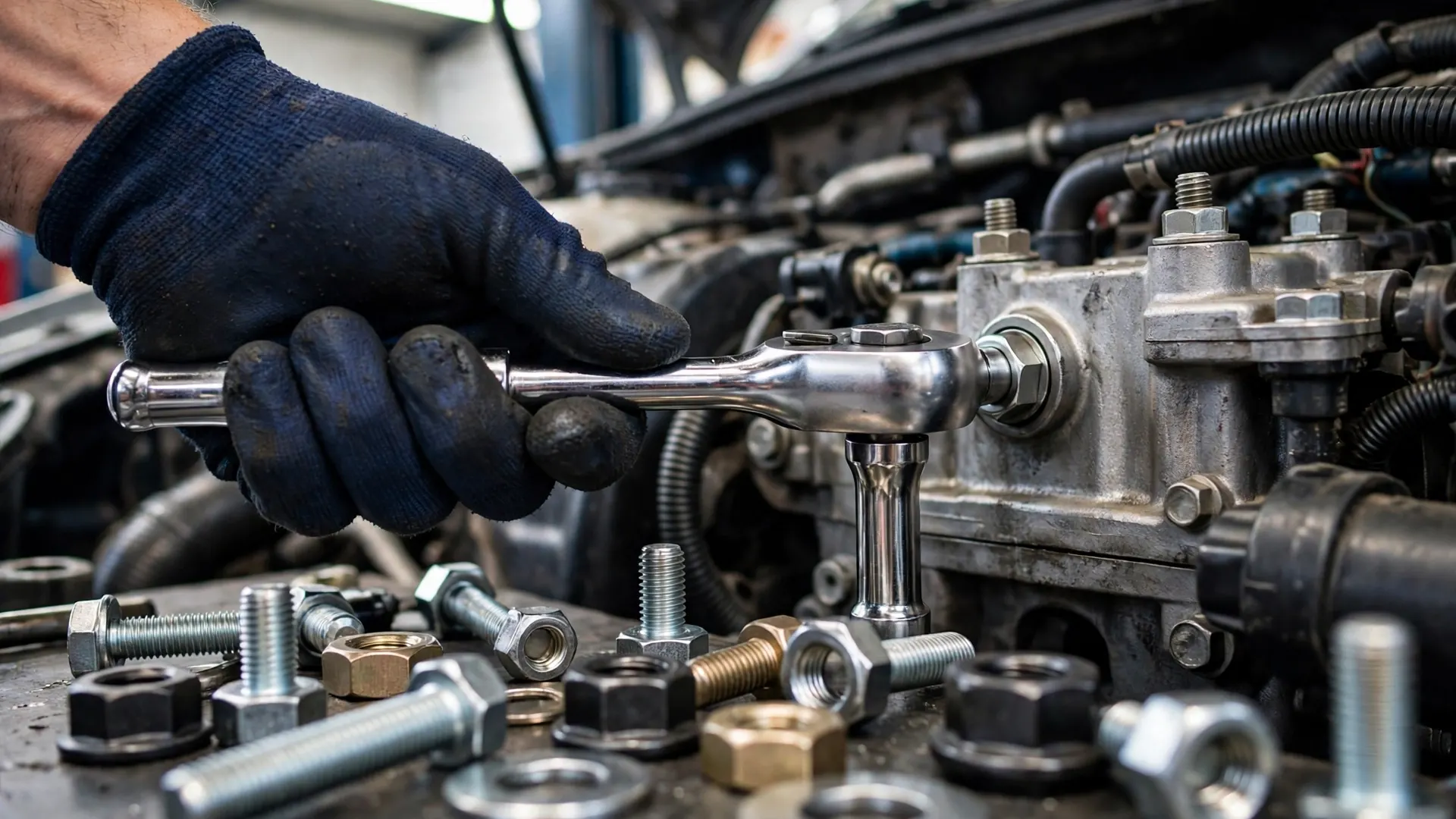
Boltings play an important role in keeping different automotive parts connected and securely fitted. From engine components to suspension systems, vehicles rely on strong fastening solutions to hold parts in their correct positions. Although the term “boltings” is not a standard technical term in the automotive industry, it is often used informally when referring to bolts, bolting systems, and fastening arrangements.
Most drivers rarely think about the small fasteners used throughout their vehicles. However, these components help maintain stability, reduce unwanted movement, and support the overall performance of a car. Choosing suitable bolts and understanding how they work can make a real difference in vehicle maintenance and long-term reliability.
Understanding Boltings in the Automotive Industry
In automotive applications, bolts are threaded fasteners designed to join two or more components together. Boltings are commonly used in engines, wheels, body panels, suspension assemblies, and other mechanical systems.
These fasteners come in different sizes, materials, thread designs, and strength grades. Each type is manufactured for a particular purpose. For example, a bolt used in an engine assembly may need to withstand high temperatures and repeated mechanical stress, while a body panel fastener may have different strength requirements.
When people refer to boltings, they may be talking about the complete fastening arrangement used to connect automotive components. Understanding these arrangements helps vehicle owners and mechanics select appropriate hardware for different repair and maintenance tasks.
Why Are Bolts Important for Vehicle Performance?
A vehicle contains hundreds of connected components, and many of them depend on reliable fastening systems. Even a small fastening problem can affect how a particular assembly performs.
Here are some important reasons why quality bolts matter in automotive applications.
Keeping Components Secure
Boltings hold different vehicle parts together and prevent them from shifting during operation. Engine mounts, suspension components, and wheel assemblies all depend on correctly installed fasteners.
Supporting Vehicle Safety
Some automotive fasteners are used in safety-critical areas. Boltings strength and proper installation help maintain the structural integrity of important assemblies. Using the wrong bolt or incorrect tightening force can create serious problems.
Reducing Unwanted Movement
Vehicles experience continuous vibration while driving. Properly selected and installed fasteners help prevent excessive movement between connected components.
Improving Long-Term Reliability
High-quality fasteners can handle the loads and conditions they are designed for. Selecting suitable materials and grades can reduce premature wear, loosening, and replacement needs.
Common Types of Automotive Bolts
Not all bolts serve the same purpose. Automotive manufacturers use different fastening options depending on the design and requirements of each component.
Hex Head Bolts
Hex head bolts are among the most commonly used fasteners in mechanical applications. Their six-sided heads allow mechanics to tighten or loosen them using standard tools. boltings are found in various automotive assemblies.
Flange Bolts
Flange bolts feature a wider base beneath the head. This design helps distribute clamping pressure across a larger surface area. boltings are commonly used in applications where a separate washer may not be necessary.
Carriage Bolts
Carriage bolts have a rounded head and a square section beneath it. boltings are designed to resist rotation when installed in compatible materials. Boltings use depends on the specific automotive application.
Stud Bolts
Studs are threaded rods that allow components to be secured with nuts. They are commonly used in engine assemblies, exhaust systems, and other mechanical applications.
Wheel Bolts
Wheel bolts are specifically designed to secure wheels to compatible vehicle hubs. Their dimensions, thread specifications, and strength requirements must match the vehicle manufacturer’s recommendations.
Choosing the Right Bolts for Automotive Repairs
Selecting suitable bolts is an important part of any vehicle repair. A fastener that looks correct may not have the required dimensions or strength for a particular application.
Before purchasing replacement hardware, consider the following factors.
Material Quality
Automotive bolts are manufactured from different materials, including carbon steel and stainless steel. The right choice depends on strength requirements, environmental exposure, and the application.
Bolt Size
Boltings length, diameter, and thread pitch must match the original specifications. Incorrect dimensions can affect how securely a component is attached.
Strength Grade
Different bolts have different strength ratings. High-stress automotive assemblies require fasteners that meet the manufacturer’s specified grade.
Corrosion Resistance
Vehicles are regularly exposed to moisture, road salt, dirt, and changing temperatures. Appropriate protective coatings can help reduce corrosion.
Manufacturer Specifications:
Always check the vehicle service manual or manufacturer’s technical information before replacing important fasteners.
Common Problems Caused by Incorrect Fastening
Incorrectly selected or installed bolts can create problems that may become more serious over time.
One common issue is loose fastening. Vehicle vibration and improper installation can contribute to fasteners becoming loose, especially when the correct tightening procedure has not been followed.
Another problem is thread damage. Using the wrong bolt size or forcing a fastener into an incompatible threaded hole can damage the threads and make proper installation difficult.
Over-tightening is also a concern. Applying excessive torque can stretch bolts, damage threads, or cause connected components to crack.
Corrosion can create additional difficulties, particularly in vehicles regularly driven in wet or harsh environments. Rusted fasteners may become difficult to remove and could require replacement during maintenance.
These problems highlight why proper installation matters just as much as selecting quality hardware.
How to Maintain Automotive Fasteners
Regular vehicle maintenance provides an opportunity to identify fastening problems before they develop into larger mechanical issues.
Here are a few practical maintenance tips:
-
Inspect accessible fasteners during routine vehicle servicing.
-
Look for visible rust, corrosion, cracks, or damaged threads.
-
Replace worn or damaged bolts with parts that meet the required specifications.
-
Use a calibrated torque wrench when the manufacturer specifies a tightening torque.
-
Avoid reusing fasteners that are designed for single-use applications.
-
Follow the correct tightening sequence for engine and other critical assemblies.
It is also important to avoid replacing automotive bolts with ordinary hardware store alternatives unless their specifications are confirmed to be suitable.
For critical components, professional inspection and installation are always recommended.
Where to Find Quality Automotive Bolts
Finding reliable automotive fasteners is easier when buyers know what specifications they need. Automotive parts suppliers, specialist fastener manufacturers, and authorized dealerships can provide different fastening products for vehicle maintenance and repair.
Before placing an order, check whether the supplier provides accurate product descriptions, material information, dimensions, and strength ratings. These details help buyers compare products and avoid purchasing unsuitable hardware.
It is also worth checking whether the parts are compatible with the vehicle’s make, model, and year. A reliable supplier should be able to provide clear product information and help customers identify the correct replacement parts.
For workshops and automotive businesses, maintaining a dependable source of quality fasteners can make routine repairs more efficient and reduce delays caused by incorrect parts.
Final Thoughts
Boltings, when used to describe automotive bolts and fastening arrangements, represent an important part of vehicle assembly and maintenance. These small components help keep mechanical systems connected, support vehicle stability, and contribute to the reliable operation of different automotive parts.Whether someone is repairing an engine, replacing wheel hardware, or maintaining a suspension system, choosing the correct fasteners should never be overlooked. Paying attention to material quality, dimensions, strength ratings, and installation instructions can help prevent unnecessary mechanical problems.With the right parts and proper maintenance, automotive fastening systems can continue performing their intended job throughout the vehicle’s service life.